There are many people who have spent their entire lives studying music and still they would be surprised to find out that there is more to it than what meets the eye. Music has a huge influence on our culture, our daily lives, as well
The Ultimate Guide to Upgrade Your Car Audio System: Unleash the Power of Music
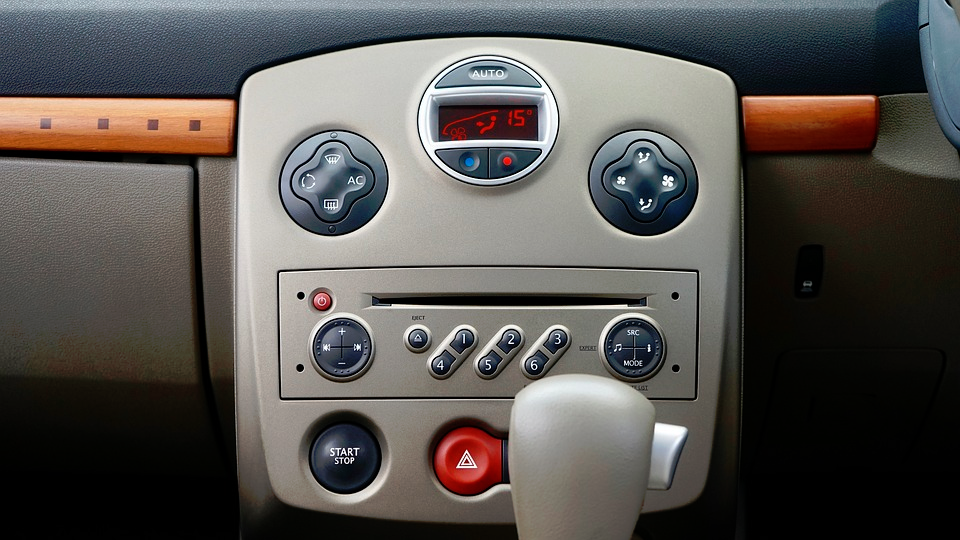
Turn up the volume and get ready to experience your favorite tunes in a whole new way! If you’re a music lover and a car enthusiast, then it’s high time you upgrade your car audio system. With the right knowledge, you can transform your daily
The Future of Music: Embracing New Technologies and High-Volume Trends
Welcome to the world of music technology, where innovation and creativity come together to revolutionize the way we experience and create music. In this blog post, we’ll explore the latest music technologies and trends that are shaping the industry, and how these advancements can enhance
Why classical musical instruments do not lose popularity
Classical musical instruments will always be popular due to their distinctive features and elegance. The classical style of music is timeless, ageless, and ever-evolving – it never goes out of fashion. Shopping for classical instruments can be so much fun; you get to pick the
The Classical era in music. A brief characteristic
In the 18th century to replace the splendor and excessiveness of the Baroque came a style in which the main thing becomes naturalness and logic.The aesthetics of Classicism are based on the cult of reason. The name “classicism” comes from Latin and means “exemplary”.For artists
The era of Romanticism in music. Brief review
The era of Romanticism in music covers roughly the period from 1800 to 1910.It replaced the era of classicism with a clear and strict position of man in the society around him: man is opposed to the world in which he exists, he fights for
Music has long been recognized as an important means of shaping a person’s personal qualities and spiritual world. Musical development has no substitute for its impact on general development: the emotional sphere is formed, thinking is improved, and the child becomes sensitive to the beauty in art and in life.
“Music is a necessary mental attribute of human existence.”
Aristotle wrote
Types of musical instruments
Everyone loves music, it gives wonderful moments, soothes, pleases, and gives a sense of life. Different musical instruments have different features and differ in their structure, manufacturing material, sound, and playing technique. Repeated attempts have been made to create a classification of them. We decided to make a small guide, where we have placed types of musical instruments with pictures and names, so that every beginner can easily understand the diversity of the musical world.
Music is a phenomenal phenomenon. Its relationship with man is amazing. Melodious sounds work miracles – the human soul awakens, transforms, changes condition and mood. Music enhances any joy, soothes any sadness, exorcises any illness, soothes any pain. Music rules over our emotions. And emotions, it turns out, even conquer physical pain.
“Music, its first sound, was born at the same time as the creation of the world,” so stated the ancient sages. All the most ancient teachings of earthly civilizations contain similar statements and experiences of the effects of music on animals, plants and humans. Since time immemorial, people have known that sound has a special miraculous power.
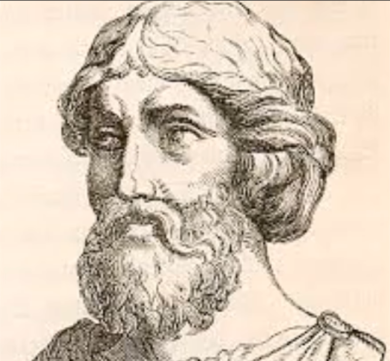
As far back as antiquity, music was separated from the rest of the arts. According to ancient scholars, it was subject to some objective laws and existed independently of man. At the origins of modern music, surprisingly enough, was the famous ancient Greek scientist Pythagoras. More precisely, music existed long before Pythagoras, but he was the first to describe in mathematical terms what are the notes, as well as pleasant and unpleasant to the ear consonances.
After all his experiments, music was declared to be an exact science with harmonic proportions as its main laws. Pythagoras cured many illnesses of mind, soul and body by playing special musical compositions composed by him. At his university in Croton, Pythagoras began and ended the day with singing: in the morning, in order to clear the mind from sleep and excite activity suitable to the day, in the evening the singing was to calm and set up for rest. It is known that the Pythagoreans used special melodies against rage and anger.
Playing a musical instrument trains both auditory, sound and tactile perception, as well as motor skills, all of which produce long-term changes in the brain. Neurobiologists have studied the bodies of professional musicians to understand exactly what changes in the brain.
Brain scans show significant differences between musicians and non-musicians of the same age. For example, the corpus callosum, the plexus of nerve fibers that connects the hemispheres of the brain, is much more massive in musicians.
The areas of the brain responsible for movement, hearing and visual-spatial abilities are enlarged in professional keyboard players. And cellists have a more developed area responsible for processing tactile sensations.
Anatomical changes in the brain depend on the age at which one begins to learn to play a musical instrument.
Those who began practicing as children show more advanced cognitive abilities. Even short periods of practice cause long-lasting changes in a child.
Recent work by scientists shows that learning music speeds the recovery of people who have had a stroke, and may also improve perception of information in children with dyslexia and other language disorders. There is also evidence that music training in childhood protects against the development of cognitive impairment and dementia later in life.
There are many people who have spent their entire lives studying music and still they would be surprised to find out that there is more to it than what meets the eye. Music has a huge influence on our culture, our daily lives, as well as how we see the world. New data at Bonza…
Turn up the volume and get ready to experience your favorite tunes in a whole new way! If you’re a music lover and a car enthusiast, then it’s high time you upgrade your car audio system. With the right knowledge, you can transform your daily commute into a concert on wheels. In this guide, we’ll…
Welcome to the world of music technology, where innovation and creativity come together to revolutionize the way we experience and create music. In this blog post, we’ll explore the latest music technologies and trends that are shaping the industry, and how these advancements can enhance your listening experience. So, get ready to dive into a…
Classical musical instruments will always be popular due to their distinctive features and elegance. The classical style of music is timeless, ageless, and ever-evolving – it never goes out of fashion. Shopping for classical instruments can be so much fun; you get to pick the perfect wood for its side or back, the perfect strings…
Unfortunately, it is not possible to learn how to tune a piano immediately after reading a text manual. In this case, practice and observation are required above all. All of this only comes with time. Furthermore, instructions can often differ or even contradict each other. Each technician has his own unique, inimitable method. It is…
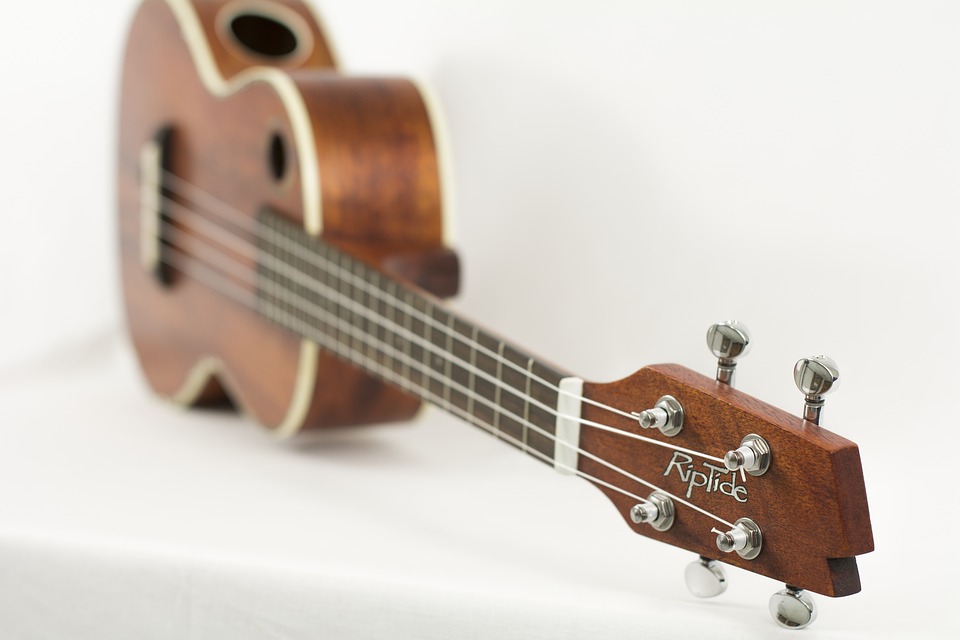
The story of how the little guitar from Hawaii conquered the world. All musical instruments are unique and each has its own fans. There are instruments with a solid centuries-old history, for which world-famous composers wrote their works, and there are those that appeared relatively recently, but quickly became popular around the world and loved…
In the 18th century to replace the splendor and excessiveness of the Baroque came a style in which the main thing becomes naturalness and logic.The aesthetics of Classicism are based on the cult of reason. The name “classicism” comes from Latin and means “exemplary”.For artists of this time, ancient culture with its harmony and pursuit…
The era of Romanticism in music covers roughly the period from 1800 to 1910.It replaced the era of classicism with a clear and strict position of man in the society around him: man is opposed to the world in which he exists, he fights for his destiny, defends his interests, argues with the existing laws,…
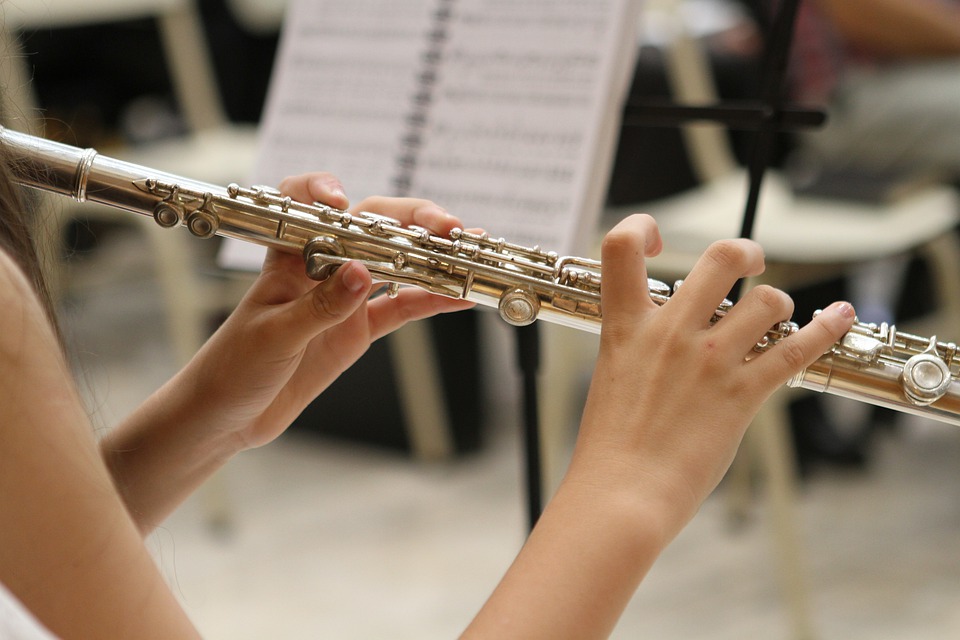
The flute is one of the oldest musical instruments. They come in transverse and longitudinal forms. Longitudinal ones are held straight ahead, blowing air into the hole at the top end of the flute. Transverse ones are held horizontally, blowing air into the side hole of the flute. The earliest mentions of the longitudinal flute…
The Baroque era in music, which replaced the Renaissance, covers a period that began around 1600 and developed until about 1750.The term “baroque” translates as “a pearl of irregular, fanciful form.” Also as “opulent, exuberant, excessive.” In music: a) complication of the melodic line, transition to homophonic presentation, new tonal ratios – quarto-quinto (previously mostly…
For those who want to learn to play the guitar, it is necessary to know the structure of the instrument to be played. Very often people limit their knowledge to the fact that a guitar has a neck, picks and strings, and they think that’s enough. But it’s not quite so, because if something happens…
This article is a product of the author’s thoughts on ways to create songs and instrumental compositions, based on personal experience and observations. It is intended mainly for aspiring musicians and music producers who are trying their hand at writing music. So, you have decided to write music. You’re supposed to have a sequencer program…
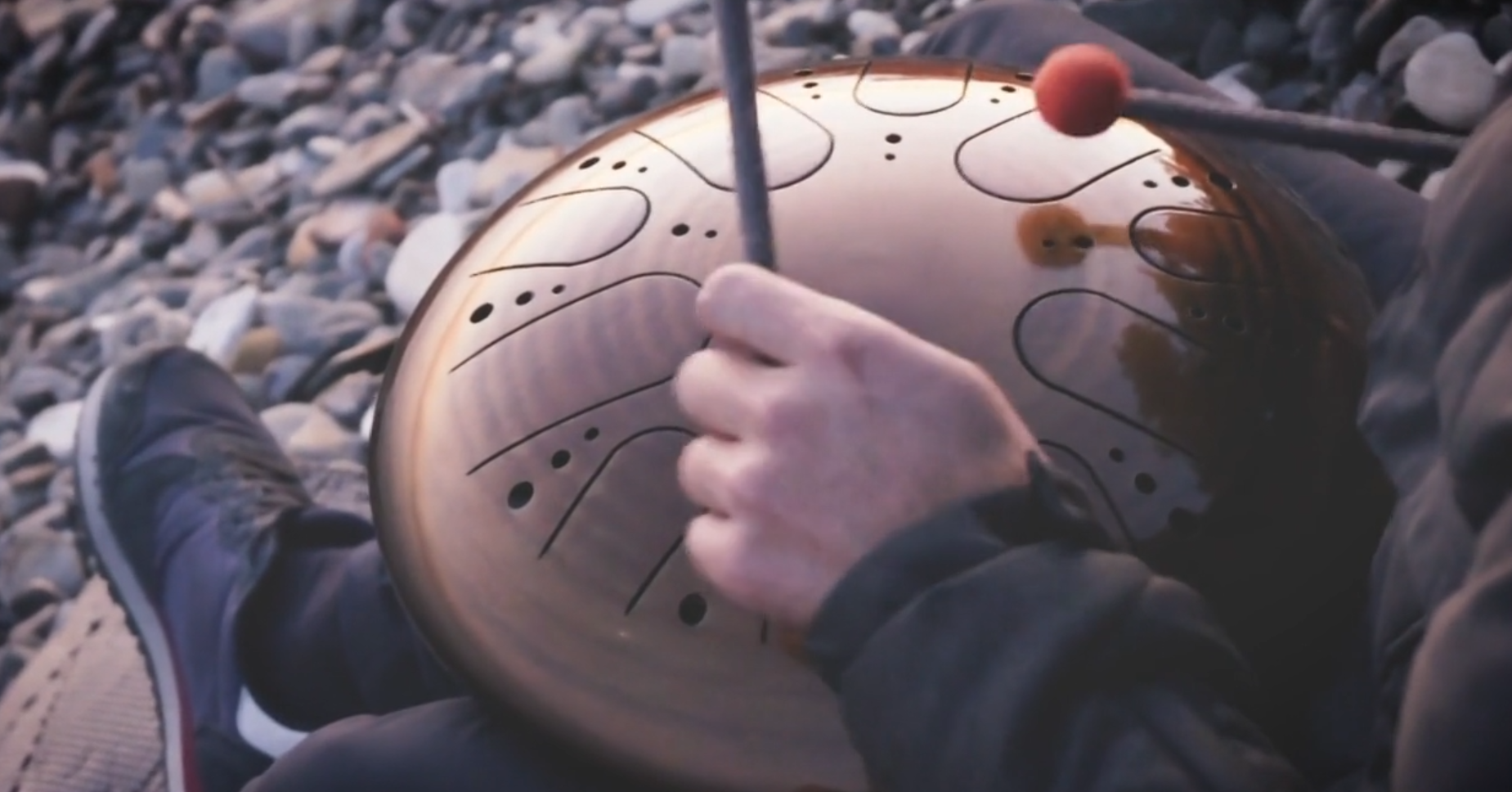
What kind of beast is the glucophone? This instrument can also be found under the name “tank drum,” and its aficionados claim that it is the one with which you can develop your hearing and sense of rhythm, simply by relying on your intuition. Glucophones refer to petal drums, and it is one of the…